
Exploring the psychological triggers behind casino gambling behavior
The Allure of Risk and Reward
The thrill of gambling is deeply rooted in the psychological interplay between risk and reward. This phenomenon attracts individuals to casinos, creating an exhilarating environment where large payoffs can occur with the flip of a card or the roll of dice. As players explore their options, the excitement of potentially winning big, especially through an aviator betting game, can trigger a rush of adrenaline that many find addictive. This high-stakes atmosphere is crafted to heighten emotions and create memorable experiences, compelling players to return for more.

Moreover, the concept of near-misses plays a significant role in this dynamic. When players come close to winning, even if they do not actually win, their brains release dopamine, reinforcing the behavior. This psychological trickery encourages players to continue gambling, believing that their next bet might be the one that finally leads to victory.
The Role of Social Interaction
Casino environments are designed to foster social interaction, which can amplify the gambling experience. The presence of others can lead to feelings of camaraderie and excitement, enhancing the overall enjoyment of the game. This social aspect can reduce inhibitions, making individuals more likely to take risks they might avoid in solitary settings. Sharing the highs and lows of gambling with others can create a sense of belonging and shared adventure.
Furthermore, peer influence can significantly impact gambling behavior. Observing others winning can lead to a bandwagon effect, where individuals feel encouraged to join in, hoping to share in the luck. The communal nature of gambling spaces adds a psychological layer that enhances the thrill, often pushing players to gamble more than they initially intended.
The Impact of Environment and Design
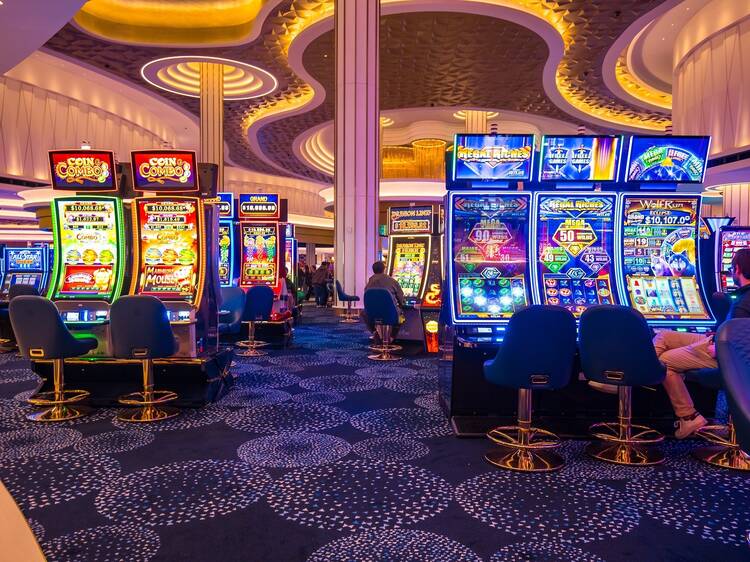
The physical layout of a casino plays a crucial role in gambling behavior. From the vivid colors to the sounds of chimes and bells, every element is designed to create an immersive experience. This sensory overload can disorient players, making it harder for them to gauge time and money spent. Such an environment can lead to impulsive decisions, as players become absorbed in the moment and lose track of their original intentions.
Additionally, the absence of clocks and windows creates a timeless bubble, further encouraging prolonged play. This strategic design can heighten the psychological triggers that lead to increased spending, as players become unaware of their limits. Understanding how environment influences behavior is crucial for both players and casino operators, as it can significantly affect gambling outcomes.
The Psychological Mechanisms Behind Addiction
Gambling addiction is a serious psychological issue that affects many individuals. The same triggers that draw people to gamble can also lead to compulsive behaviors. Understanding the underlying psychological mechanisms, such as the need for excitement or the desire to escape reality, is essential in addressing this issue. For many, gambling becomes a coping mechanism for stress or emotional turmoil, creating a cycle that can be difficult to break.
Cognitive distortions also play a part in gambling addiction. Many individuals may develop irrational beliefs, such as the notion that they can control or predict outcomes. This false sense of control can lead to repeated gambling despite negative consequences, further entrenching addictive behaviors. Recognizing these psychological patterns is crucial for developing effective interventions and support systems for those affected.
Understanding Responsible Gambling Through Education
Education on the psychological triggers of gambling is vital for promoting responsible gaming. By informing players about the psychological aspects that influence their decisions, they can develop a healthier relationship with gambling. Understanding triggers such as the thrill of risk, social influences, and environmental designs can empower individuals to make more informed choices and recognize when they need to step back.
Additionally, many casinos are adopting responsible gambling programs that focus on education and support. By fostering a culture of awareness, they can help mitigate the risks associated with gambling and promote a more sustainable and enjoyable gaming experience. Educating players not only enhances their enjoyment but also cultivates a safer gambling environment for everyone involved.